Navigating the Logistics of Hosting Community Events
Hosting community events can be a rewarding endeavor, but it often requires careful planning and execution. This article aims to provide practical insights into the logistical considerations involved, ensuring a successful experience for both organizers and attendees.
Understanding the Basics
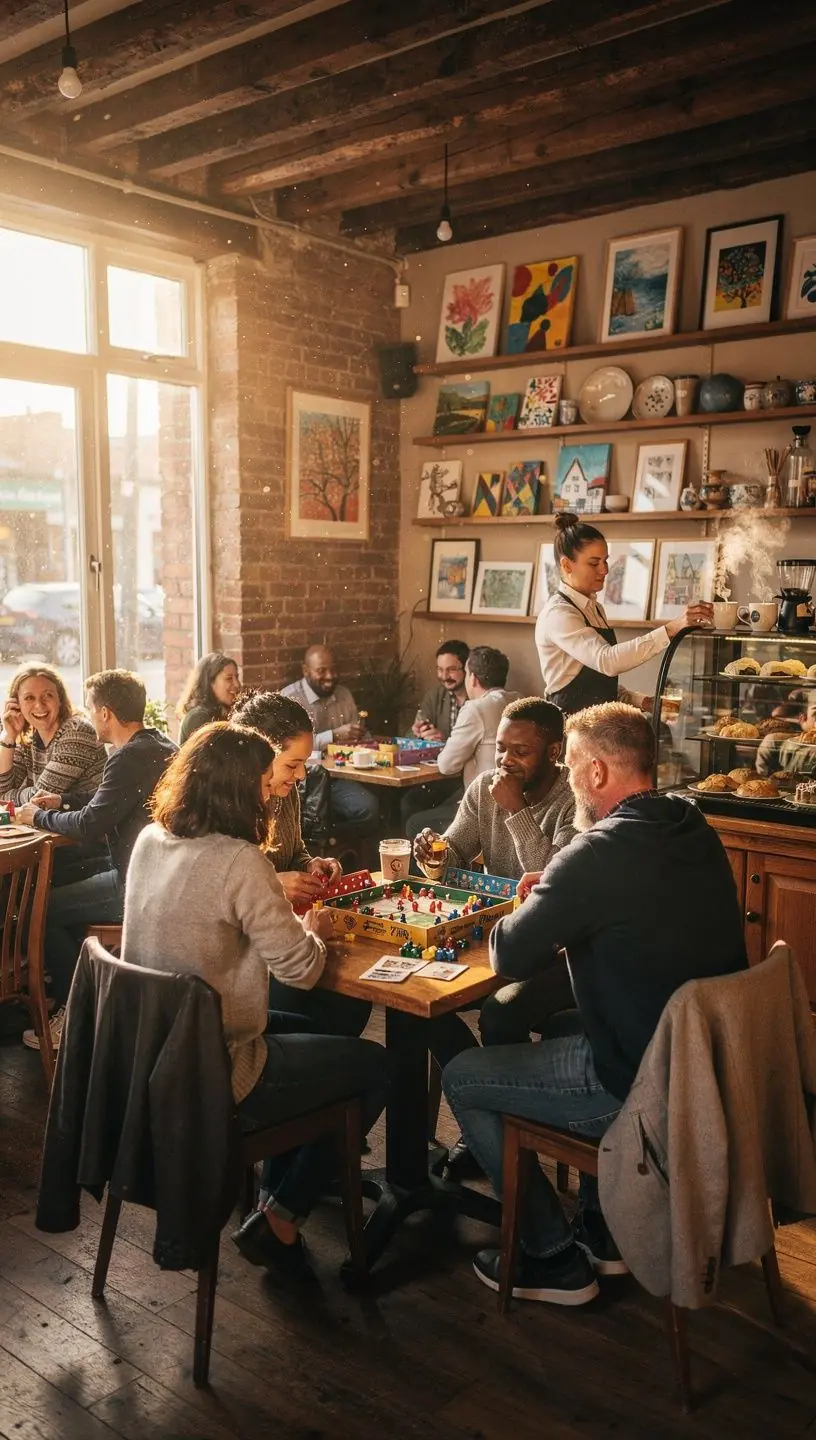
Community events, such as discussion clubs, board games, and small concerts, require a comprehensive approach to logistics. This is essential to create an engaging atmosphere that fosters connection and participation. According to community engagement research, effective planning can enhance attendance rates by as much as 25%. This is largely because attendees feel more valued and engaged when logistics are handled thoughtfully.

"Proper logistics can make or break community events. Attention to detail often leads to higher satisfaction rates among participants."
Key Logistics Considerations
When organizing a community event, several aspects must be considered:
- Venue Selection: Choosing the right venue is critical. It should be accessible and accommodate the expected number of attendees. Experts recommend considering factors such as location, facilities, and ambiance.
- Promotional Strategies: Successful events often rely on effective promotion. Utilizing local social media groups and community boards can enhance visibility. Studies show that targeted social media campaigns can increase event awareness by over 30%.
- Scheduling: Picking the right date and time significantly impacts turnout. Research indicates that weekends and early evenings typically yield higher participation rates, especially for social events.
Engaging Your Audience
Creating an engaging atmosphere at your event is crucial. Here are some strategies to consider:
- Incorporate Interactive Elements: Activities like Q&A sessions, polls, or group discussions can enhance engagement. Many users report that interactive formats lead to a more enjoyable experience.
- Gather Feedback: Implementing feedback mechanisms, such as surveys, can provide valuable insights for future events. This typically requires a commitment of time for analysis but can significantly improve future planning.
- Foster Community Spirit: Encourage networking and connection among participants. This can be achieved through ice-breaker activities or designated mingling times.
Acknowledging Challenges
While the goal is to create a positive experience, challenges can arise:
- Time Commitment: Planning an event typically takes 2-4 weeks, depending on the complexity and scale. This includes venue scouting, promotions, and logistical arrangements.
- Resource Allocation: Organizers should be prepared to allocate both financial and human resources effectively. In most cases, a small team of dedicated volunteers can help manage tasks efficiently.
- Adaptability: Even the best-planned events may face unexpected issues, such as weather changes or technical difficulties. It’s essential to have contingency plans in place.
Conclusion
In conclusion, hosting community events involves a multifaceted approach to logistics that can significantly enhance participant satisfaction and engagement. By focusing on effective planning, audience engagement, and flexibility, organizers can create memorable experiences. Remember, successful events are those that prioritize the needs and preferences of the community, paving the way for continued participation in future initiatives.
Discover More