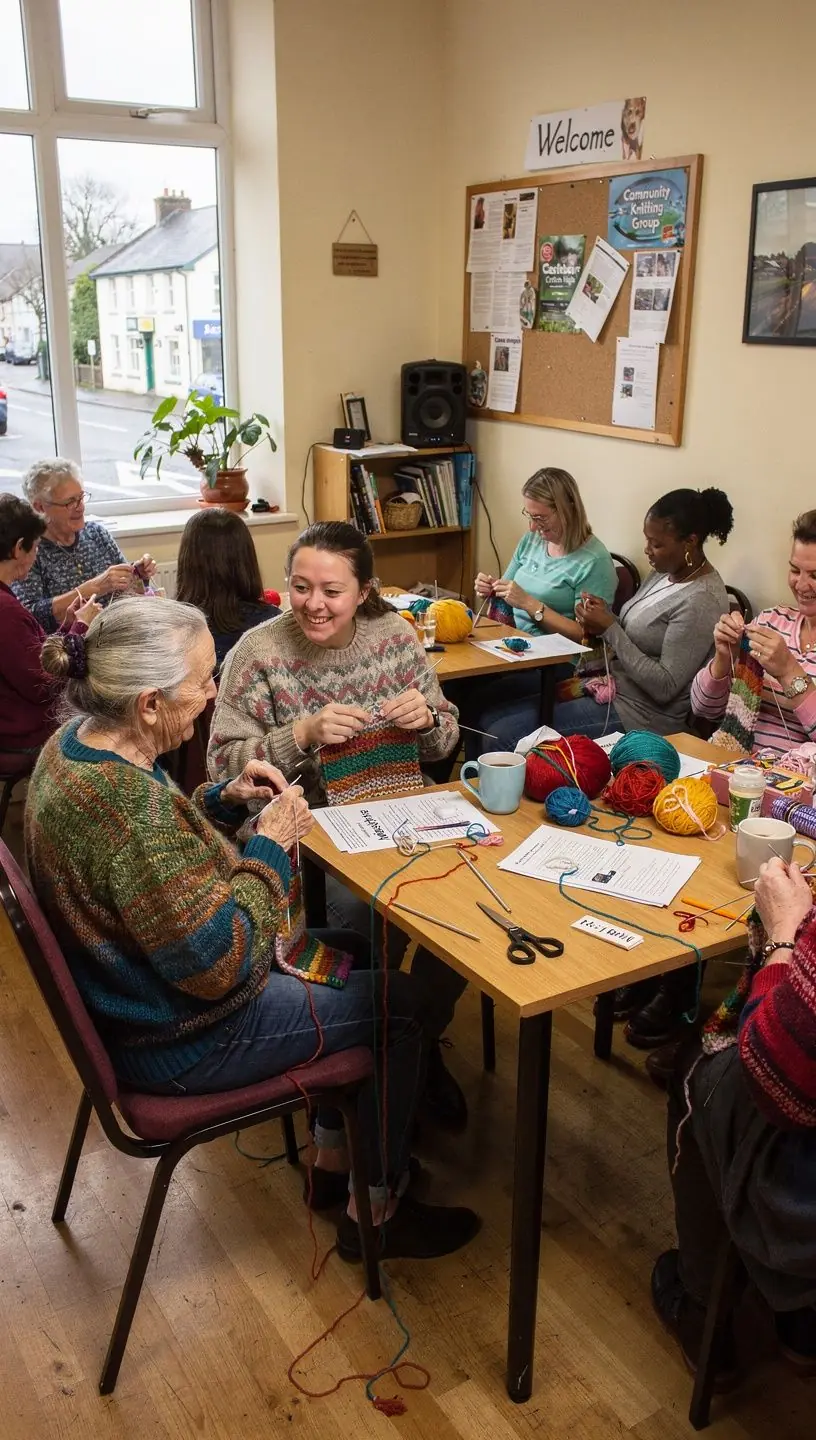
Best Practices for Moderating Community Discussions
Engaging community discussions can foster connections and enhance shared experiences. However, effective moderation is crucial to ensure these conversations remain constructive and inclusive. This article outlines best practices for moderating discussions, focusing on proven techniques and realistic expectations.
Understanding the Role of a Moderator
A moderator serves as a facilitator, guiding discussions and ensuring that all voices are heard. According to research from the Community Roundtable, effective moderation can enhance participation and lead to more meaningful interactions. This is achieved by creating a safe environment where members feel comfortable sharing their thoughts and experiences.
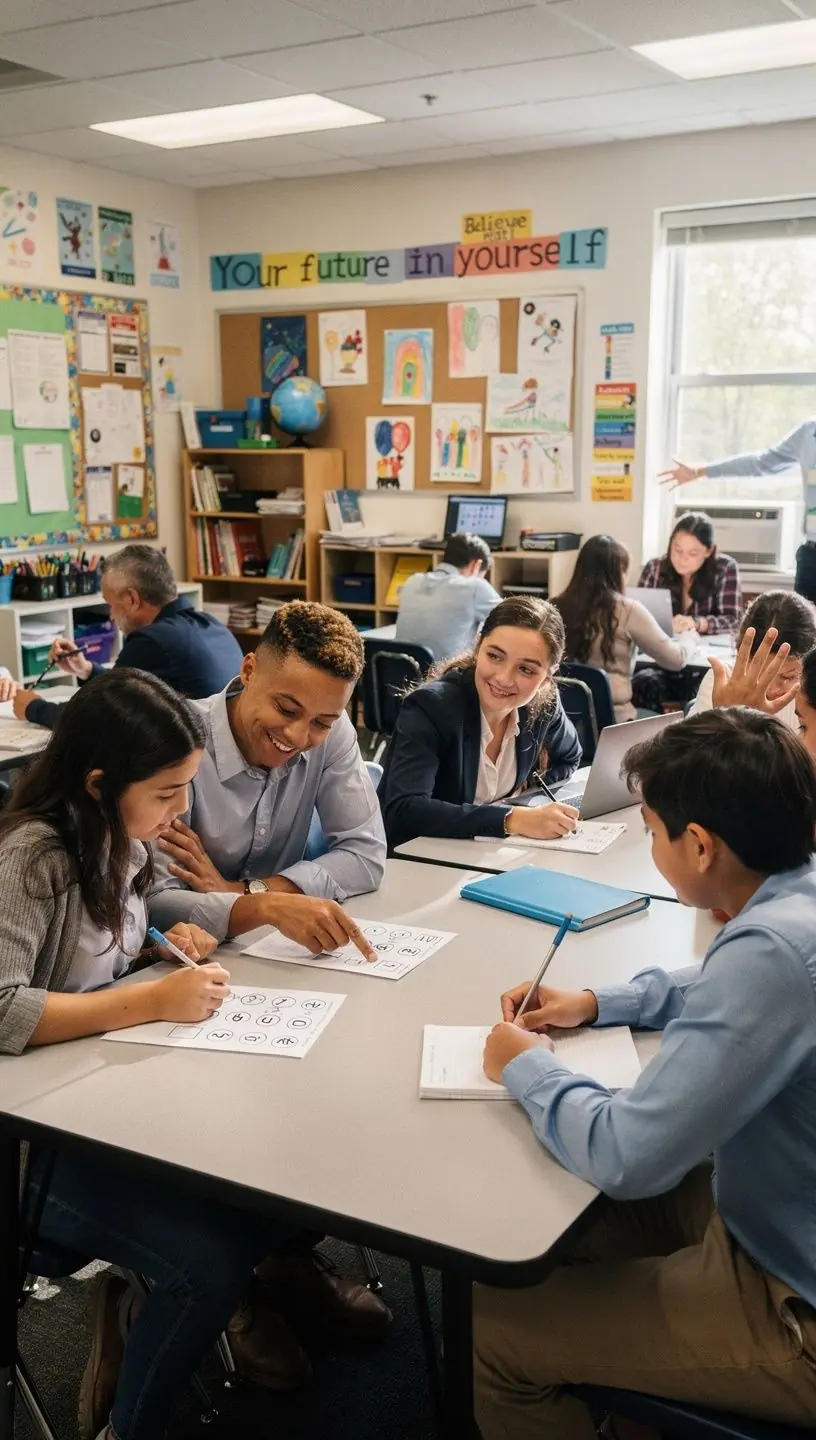
"Moderators play a key role in shaping community dynamics and maintaining a positive atmosphere."
Establish Clear Guidelines
Establishing and communicating clear guidelines is essential for fostering respectful discussions. Many experts recommend creating a set of community rules early on, which may include:
- Respectful Communication: Encouraging members to express differing opinions respectfully.
- No Hate Speech: Clearly defining what constitutes unacceptable behavior.
- Stay On Topic: Encouraging conversations to remain relevant to the intended subject.
These guidelines should be easily accessible and revisited regularly to ensure that they are still relevant. This approach typically requires ongoing effort and adaptability as the community grows and evolves.
Promote Inclusive Participation
Inclusive discussions are key to vibrant community engagement. Research indicates that diverse perspectives can significantly enrich conversations. Moderators can encourage inclusivity by:
- Inviting Voices: Actively encouraging quieter members to share their thoughts.
- Highlighting Contributions: Recognizing and valuing input from all members, which can help build confidence.
- Creating Subgroups: Allowing smaller discussions can help those who might feel intimidated in larger groups to participate.
This may require additional time and effort, but many users report that fostering an inclusive environment ultimately leads to richer discussions and stronger community bonds.
Addressing Conflict and Challenges
Conflicts can arise in any community setting. Moderators should be prepared to address issues promptly and fairly. Strategies to handle conflicts effectively include:
- Staying Neutral: Maintaining impartiality is crucial when navigating disagreements.
- Private Conversations: Engaging members in private discussions to resolve disputes can often lead to more constructive outcomes.
- Reinforcing Guidelines: Reminding members of community standards can help refocus discussions and mitigate potential conflicts.
This proactive approach to conflict resolution typically results in a healthier community dynamic over time, though it may involve challenging conversations.
Measure and Adapt
Lastly, effective moderation involves continuous assessment and adaptation. Establishing metrics to gauge member satisfaction and engagement can provide valuable insights into how well discussions are going. Moderators should:
- Solicit Feedback: Regularly asking for feedback from community members can help identify areas for improvement.
- Monitor Engagement Levels: Keeping track of participation rates can highlight trends and inform moderation strategies.
- Adjust Strategies: Being open to change is important; what works well at one stage may need refinement as the community evolves.
Conclusion
Moderating community discussions is a rewarding yet challenging task. By establishing clear guidelines, promoting inclusivity, addressing conflicts thoughtfully, and continuously measuring engagement, moderators can foster a supportive environment. This may require time and dedication, but implementing these best practices can lead to a thriving community where all members feel valued and heard.