The Importance of Feedback in Community Event Planning
Feedback is a critical component in the planning and execution of community events. It not only helps organizers understand the preferences of participants but also fosters a sense of community. This article explores the significance of feedback, effective methods to gather it, and how it can enhance future events.
Understanding the Basics
Effective community event planning often hinges on understanding the needs and desires of community members. Research shows that incorporating participant feedback can lead to higher satisfaction rates and increased attendance in future events. According to a study by the Community Development Society, events that actively seek participant input typically see a 15-25% increase in engagement levels.
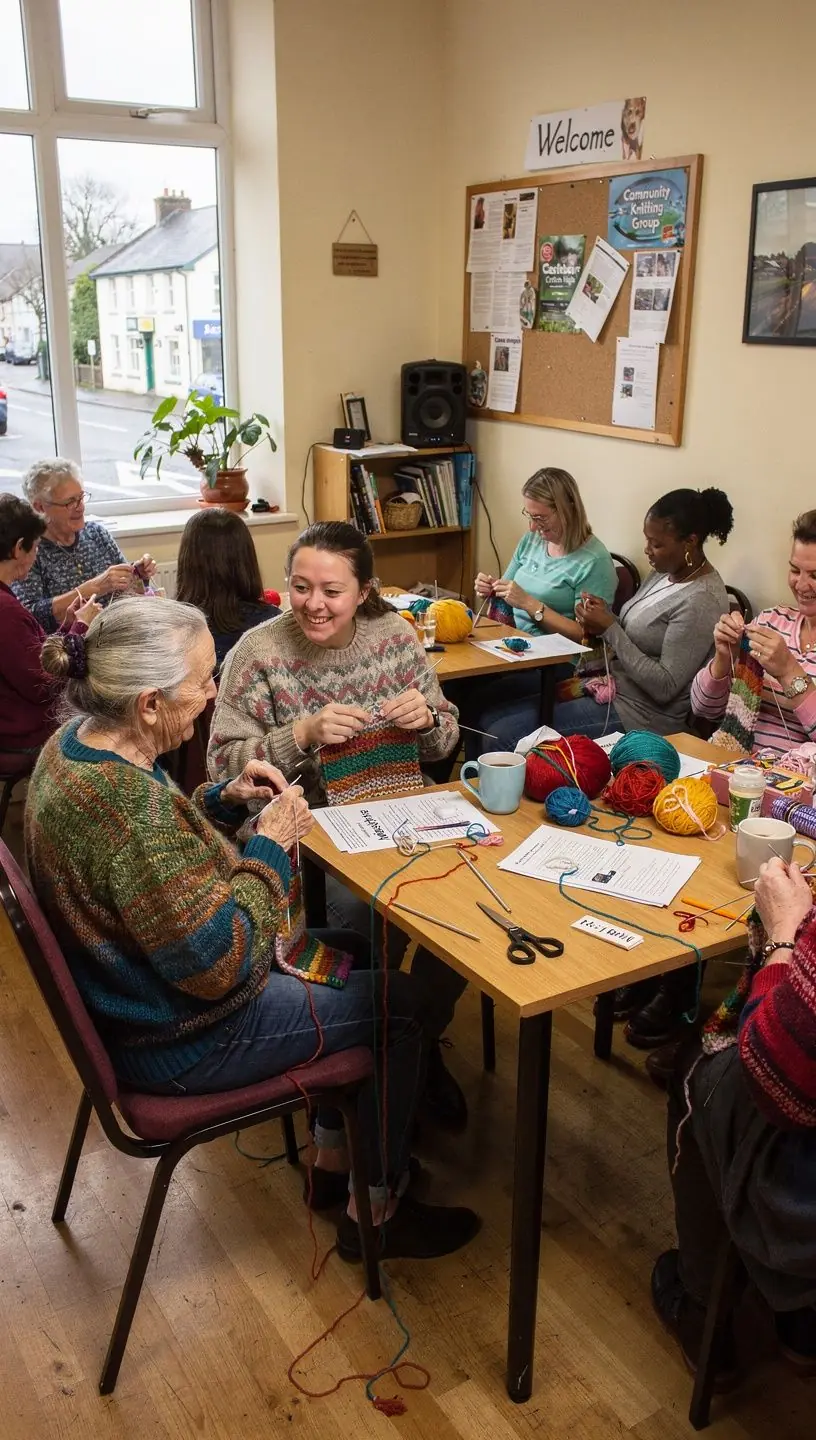
"Feedback allows us to tailor events to our community’s needs, creating a more inclusive environment." - Community Planning Expert
Methods for Gathering Feedback
There are several effective ways to gather feedback from community members:
- Surveys: Distributing surveys immediately after an event can provide valuable insights. Experts recommend keeping them concise—focusing on key areas like content, location, and overall satisfaction.
- Focus Groups: Engaging small groups of community members in discussion sessions can reveal deeper insights into their experiences. This method works best when a facilitator guides the conversation to ensure all voices are heard.
- Online Feedback Forms: Utilizing digital platforms allows for anonymous feedback, which many users report yields more honest responses. Consider using tools that are easy to access and complete.
How Feedback Improves Future Events
The process of collecting and analyzing feedback is not merely about understanding past events; it is a strategic approach to improving future planning:
- Identifying Trends: Consistent feedback can highlight patterns in what community members appreciate or dislike. For instance, if many attendees express a desire for more interactive activities, future events can incorporate more of these elements.
- Building Trust: When community members see their feedback being acted upon, it fosters a sense of ownership and trust in the planning process. This often leads to increased participation and contributions in subsequent events.
- Iterative Improvement: Implementing feedback is a continual process. It typically requires ongoing adjustments and may take 2-3 events before noticeable shifts in community engagement occur.
Acknowledging Limitations
While feedback is invaluable, it is essential to acknowledge some limitations:
- Gathering feedback requires time and effort. Organizations should be prepared for potential delays in analyzing responses and implementing changes.
- Not all feedback will be actionable. Sometimes, conflicting opinions arise, and it may be necessary to prioritize based on available resources.
- Community demographics can affect the type of feedback received. For instance, younger audiences may prefer digital surveys while older participants might appreciate more traditional methods.
Conclusion
In summary, actively seeking and incorporating feedback is a crucial element of successful community event planning. It not only enhances individual events but also contributes to building a stronger, more engaged community. By employing various feedback methods and acknowledging the inherent limitations, organizers can create events that resonate with community members and foster a culture of participation.