Creating Inclusive Spaces for Community Gatherings
Inclusive community gatherings foster stronger connections, promote diversity, and enhance participation. This article explores practical strategies for creating welcoming environments that cater to various groups, ensuring everyone feels valued and heard.
Understanding the Importance of Inclusivity
Creating inclusive spaces is essential for community engagement. According to research conducted by the Institute for Community Engagement, inclusive environments can increase participation rates by up to 40%. This is significant, especially in community gatherings where diverse perspectives can enrich discussions and activities.
"Inclusivity is not just a moral imperative; it is a strategic advantage that can lead to more vibrant community interactions." - Community Engagement Expert
Key Strategies for Building Inclusive Spaces
To foster an inclusive atmosphere, consider the following strategies:
- Empathetic Design: Create spaces that accommodate the needs of all individuals. This includes accessible seating, clear signage, and consideration for sensory sensitivities. Studies show that environments designed with empathy often lead to higher satisfaction levels among participants.
- Active Outreach: Engage with diverse community members before events. Many users report feeling more included when they are personally invited or when their input is sought. This approach helps tailor events to the interests of various groups, making them more relevant and engaging.
- Facilitated Discussions: Implement trained facilitators to guide conversations. This is particularly effective in mixed groups where differing viewpoints can lead to misunderstandings. Research indicates that skilled moderation can improve dialogue quality and participant engagement.
Understanding Challenges and Limitations
While creating inclusive spaces is beneficial, it also presents challenges. These initiatives typically require time and effort:
- Developing inclusive practices and training facilitators can take several weeks to implement effectively.
- Engaging with various community groups necessitates a genuine commitment to understanding their unique needs, which can involve ongoing effort.
- Not all strategies will work universally; some may be more effective in specific contexts or with certain demographics. For instance, digital outreach may not reach segments of the community without internet access.
Real-Life Examples and Success Stories
Several communities in Ireland have successfully implemented these strategies:
- A community center in Dublin transformed its outreach by engaging local schools and cultural organizations, resulting in a 30% increase in event attendance from diverse populations.
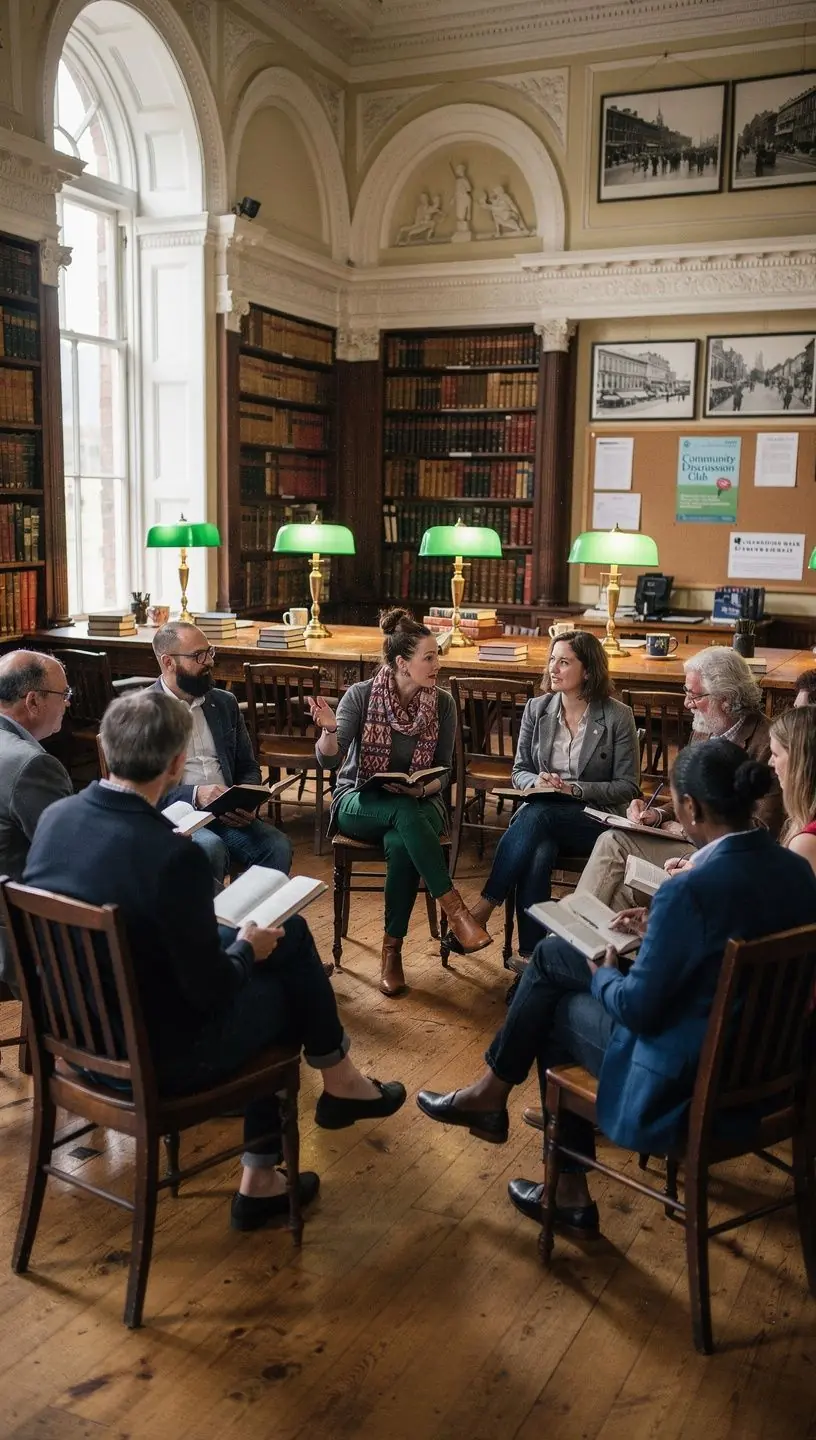
- A small-town library introduced discussion clubs with trained moderators, which allowed for richer conversations among participants with differing viewpoints, enhancing community cohesion.
Conclusion
Creating inclusive spaces for community gatherings requires thoughtfulness and commitment. By employing empathetic design, actively reaching out to diverse community members, and facilitating meaningful discussions, communities can foster environments where everyone feels welcome. While challenges exist, the benefits of inclusivity—such as increased participation and stronger connections—are well worth the effort. As experts recommend, small, consistent changes can lead to significant improvements over time.
Discover More