
How to Plan a Small Concert in Your Community
Planning a small concert in your community can be an exciting venture that brings people together and showcases local talent. However, it requires careful consideration and organization to ensure a successful event. This article provides practical insights and steps you can take to effectively plan your concert.
Understanding the Basics
According to industry standards, organizing a small concert often involves several key components including venue selection, artist booking, promotion, and logistical arrangements. It's important to understand the purpose of your concert, which could range from supporting local artists to fostering community engagement. Experts recommend starting with a clear vision to guide your planning process.
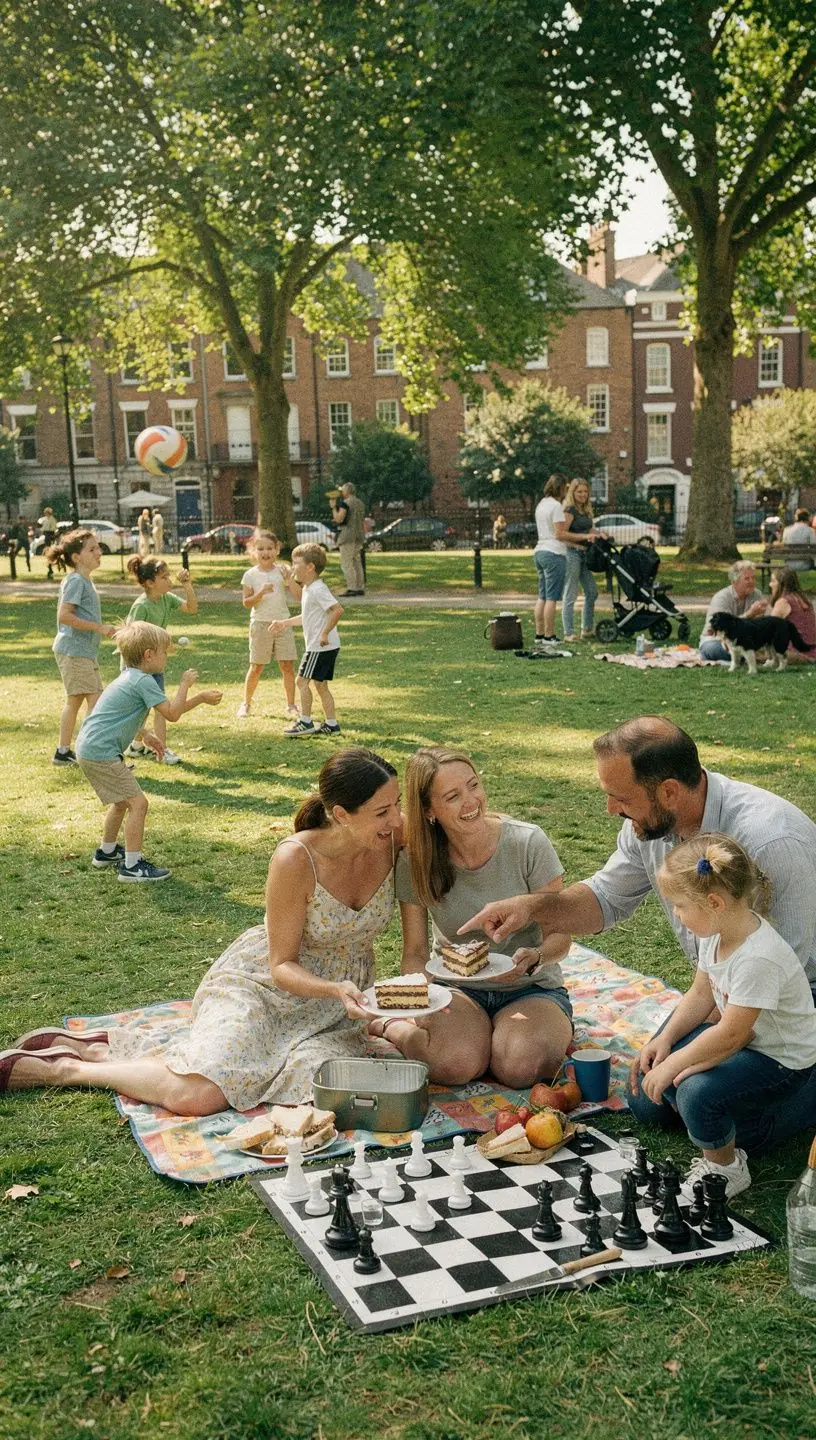
"Successful concerts are those that are well-planned, taking into account the needs of artists and the audience alike." - Music Event Planning Expert
Steps to Organize Your Concert
- Select a Venue: Choosing the right location is crucial. Look for a venue that is accessible and has the necessary facilities for sound and lights. Community centers or local parks often provide a suitable ambiance for intimate concerts.
- Book the Artists: Identifying and booking local talent can help create a sense of community. Many local musicians are eager for performance opportunities, and according to research, showcasing local acts can draw in a more engaged audience.
- Plan the Promotion: Utilize social media and community boards to promote your concert. Studies show that word-of-mouth and local advertising are effective in reaching your target audience. Consider creating an event page online for easy sharing and tracking.
- Logistics and Setup: Ensure that you have the necessary equipment, including sound systems and seating arrangements. It's advisable to hire a sound technician or enlist volunteers to assist with setup and ensure everything runs smoothly on the day of the event.
Acknowledging Limitations
Planning a concert typically takes a minimum of 4-6 weeks, depending on the complexity of the event and the availability of artists. Remember that unforeseen circumstances can arise, such as weather issues or technical challenges. Being adaptable and having contingency plans in place can help mitigate these risks.
Conclusion
In summary, organizing a small concert requires careful planning and execution. By understanding the key components and following structured steps, you can create an engaging event that fosters community spirit. Remember that while challenges may arise, the effort can lead to a rewarding experience for both you and your audience. Start planning your concert today and contribute to the vibrant cultural scene in your community!
Discover More