Engaging Different Age Groups in Community Activities
Community activities play a crucial role in fostering connections and enhancing the social fabric of our neighborhoods. However, engaging different age groups can be challenging. This article explores effective strategies for attracting a diverse range of participants to community events and activities.
Understanding the Importance of Engagement
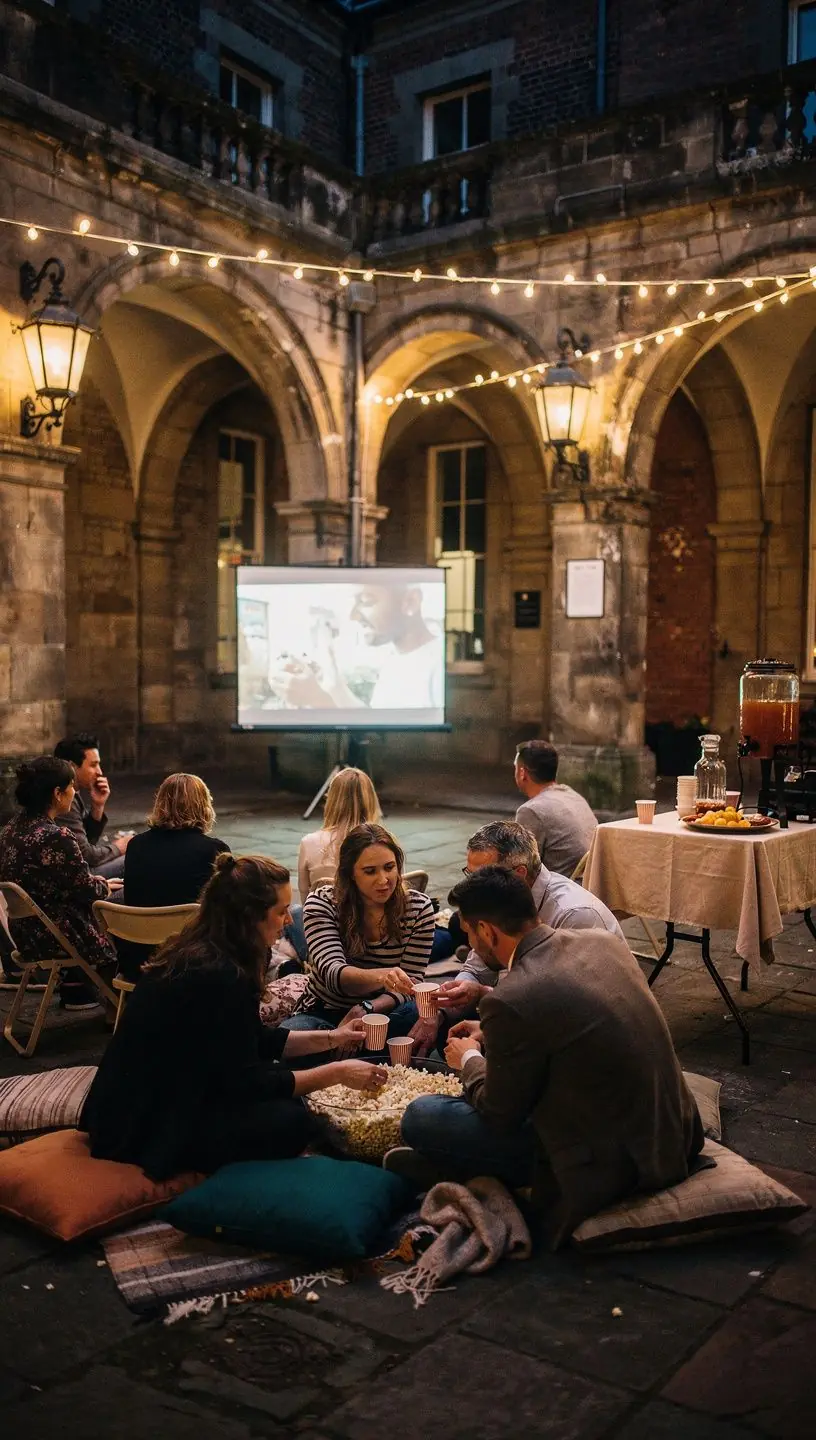
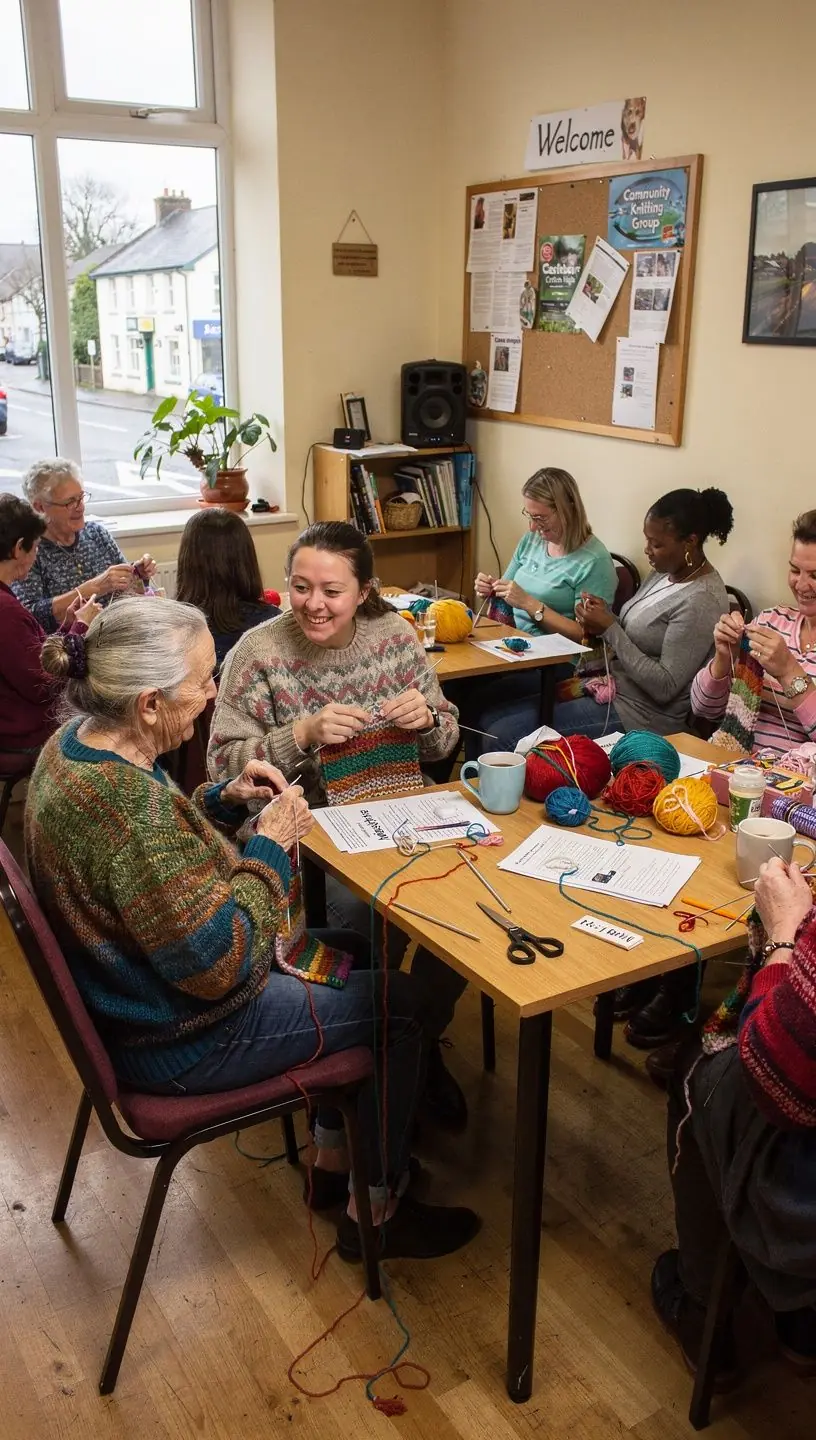
Engaging multiple age groups in community activities is essential for creating an inclusive environment. According to research by the American Psychological Association, intergenerational activities can lead to increased social cohesion and mutual understanding among participants. This works because shared experiences help break down stereotypes and foster empathy.

"When different generations come together, they create a richer narrative that benefits the entire community." - Community Development Expert
Strategies for Effective Engagement
- Tailor Activities to Interests: Each age group has distinct preferences. For instance, younger participants often enjoy technology-based activities, while older adults may prefer more traditional games. Research indicates that community programs that align activities with participants' interests typically see higher attendance rates.
- Leverage Technology: Digital platforms can be effective for attracting younger demographics. Many users report that social media campaigns and event apps can significantly increase awareness and participation. However, it is important to ensure that offline components are equally accessible to older community members who may not be as tech-savvy.
- Create Inclusive Formats: Offering flexible formats such as discussion clubs and hands-on workshops can cater to various preferences. Experts recommend organizing events that allow for both structured and unstructured time, which can accommodate diverse engagement styles and comfort levels.
Challenges to Consider
While engaging different age groups is beneficial, it is important to acknowledge potential challenges. For instance, planning events that appeal to everyone often requires extra effort and resources.
Many organizers find that it typically takes several iterations to develop a successful event format that resonates across age groups. Commitment from community leaders and volunteers is vital, as is ongoing feedback from participants to refine future activities.
Conclusion
Engaging various age groups in community activities is not just about filling seats; it’s about building lasting connections and enriching community life. By tailoring events to meet the interests of different demographics and leveraging both traditional and digital outreach, communities can create vibrant spaces where individuals of all ages feel welcome. Remember, consistent effort and adaptability are key to achieving meaningful engagement.