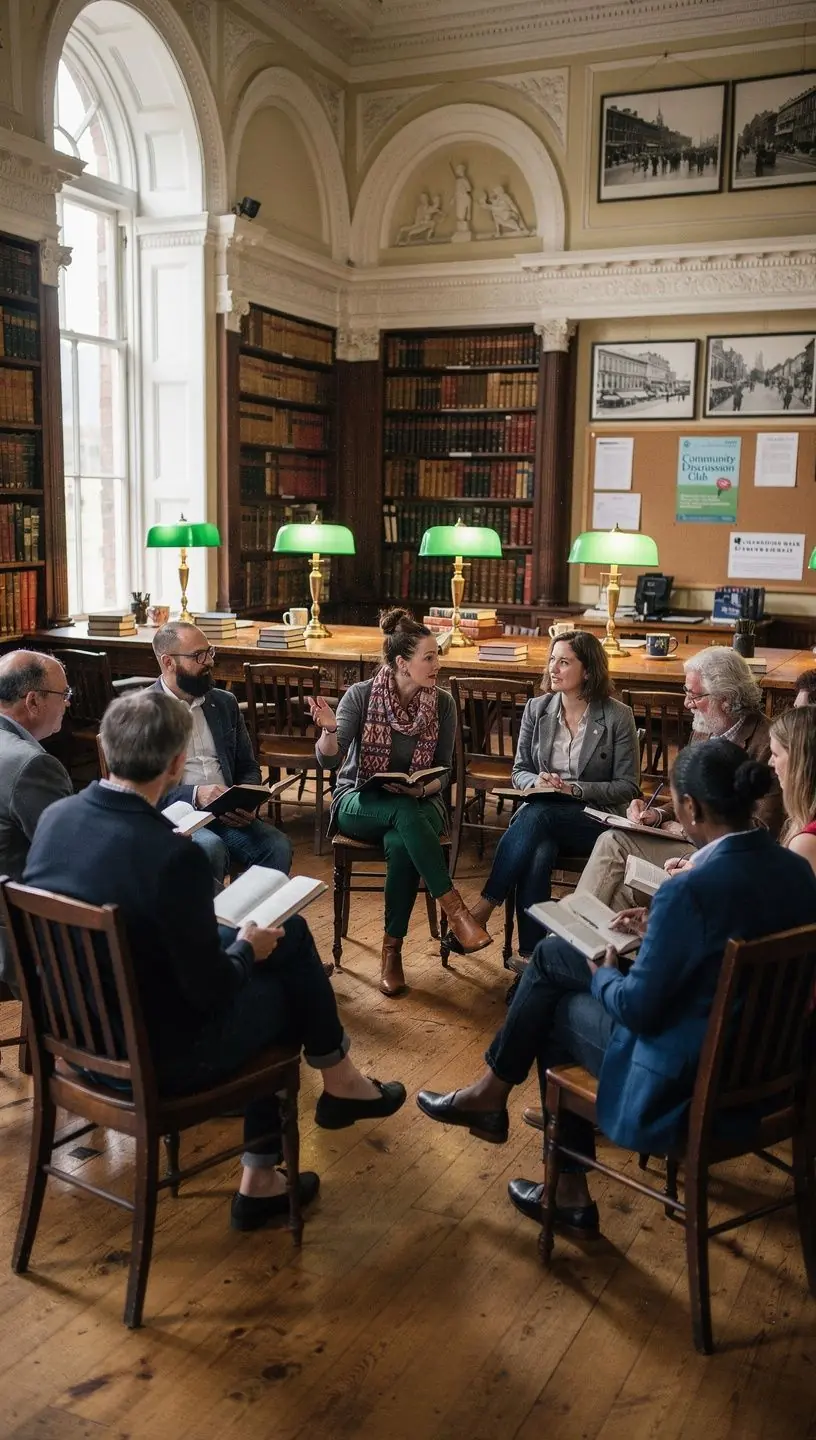
Facilitating Meaningful Conversations in Discussion Groups
In today's fast-paced world, fostering meaningful conversations can be challenging yet rewarding. Discussion groups offer an effective platform for individuals to share ideas and engage in thoughtful dialogue, which experts recommend as a way to enhance community interaction and personal growth.
Understanding the Basics
Research suggests that meaningful conversations can significantly improve social connections. According to a study published in the journal Psychological Science, engaging in deep conversations can lead to greater happiness and well-being. This is because, when we share our thoughts and feelings, we not only clarify our own beliefs but also deepen our relationships with others.

"Meaningful conversations are essential for building trust and understanding within a community." - Community Engagement Expert
Creating an Environment for Discussion
To facilitate effective conversations, it’s crucial to create a supportive environment. Here are a few strategies:
- Set Clear Guidelines: Establishing ground rules for discussions can help ensure respectful and constructive exchanges. Typically, these guidelines should include listening without interruption and refraining from personal attacks.
- Encourage Participation: Many users report that rotating facilitators can help everyone feel more comfortable sharing their viewpoints. This approach not only diversifies perspectives but also empowers participants.
- Use Open-Ended Questions: Experts recommend using questions that invite elaboration rather than simple 'yes' or 'no' responses. This technique encourages deeper engagement and exploration of ideas.
Challenges and Considerations
While the benefits of discussion groups are clear, there are also challenges to be aware of. Facilitating meaningful conversations typically requires patience and a commitment to the process:
- Time Commitment: Discussions can take time to develop. Participants should expect to dedicate effort over multiple sessions to see significant results.
- Managing Group Dynamics: In some cases, dominant personalities may overshadow quieter members. Skilled facilitation is crucial to ensure balanced participation.
- Emotional Intelligence: It’s beneficial for facilitators to possess a degree of emotional intelligence, as navigating sensitive topics may arise. This involves being aware of group emotions and responding appropriately.
Conclusion
Facilitating meaningful conversations in discussion groups can be a rewarding endeavor that enriches community ties. By setting clear guidelines, encouraging participation, and using open-ended questions, group members can engage more deeply with one another. It’s important to acknowledge that this process requires time and effort; however, the potential benefits for personal growth and community cohesion are well worth it. Remember, fostering open dialogue can lead to the challenge of understanding different perspectives, ultimately creating a more inclusive environment.